As temperatures drop across Missouri, code enforcement becomes a critical line of defense against seasonal hazards. Winter brings risks that can turn minor property issues into serious threats to public health, safety, and neighborhood stability. From unsafe heating systems and carbon monoxide dangers to structural vulnerabilities and blocked exits, proactive code enforcement helps communities identify problems early, educate residents, and prepare before the first hard freeze arrives.
At the Missouri Association of Code Enforcement (MACE), an ICC chapter representing cities, counties, and state agencies statewide, we emphasize that effective winter preparation starts with consistent, fair enforcement paired with education. Our mission focuses on enhancing communities by educating code enforcement officers and promoting voluntary compliance that protects public health, safety, and property values.
This post explores how code enforcement officers can identify winter-related problems, educate residents on practical steps, and support community-wide preparation. Whether you are an officer, local official, or resident, understanding these strategies strengthens Missouri neighborhoods when cold weather hits.
Why Winter Preparation Matters in Code Enforcement
Winter amplifies existing code violations. A property that barely meets standards in summer can become dangerous when furnaces run continuously, pipes freeze, or snow loads stress roofs. Code enforcement addresses these through property maintenance codes, building safety standards, and local ordinances.
Key reasons winter-focused enforcement is essential:
- Protects residents from carbon monoxide poisoning, fire, and hypothermia risks.
- Prevents costly emergency responses and property damage.
- Maintains property values by stopping disrepair that worsens in cold weather.
- Builds community resilience through education rather than reactive citations.
- Supports equitable outcomes so all neighborhoods—urban and rural—receive attention.
MACE supports officers with training, resources, and networking so they can approach seasonal challenges with professionalism and a focus on voluntary compliance. Explore our resources page for bylaws, links to partner associations, and tools that aid this work.
Identifying Common Winter Problems Through Code Enforcement
Proactive identification is the foundation of winter readiness. Officers use inspections, complaint response, and neighborhood surveys to spot issues before they escalate.
Heating System and Carbon Monoxide Hazards
Improperly maintained heating equipment ranks among the most serious winter risks. Furnaces, space heaters, and wood-burning appliances can produce carbon monoxide or spark fires if neglected.
Problems officers commonly identify include:
- Lack of functioning carbon monoxide and smoke detectors.
- Blocked or damaged vents and chimneys.
- Unvented or improperly used space heaters.
- Fuel storage that creates fire hazards.
- Evidence of incomplete combustion or soot buildup.
Existing MACE content highlights why UL-listed smoke and CO alarms are essential for home safety and why detectors are lifesaving must-haves. Code enforcement plays a direct role in ensuring these devices are present, properly installed, and maintained.
Structural and Property Maintenance Issues
Freeze-thaw cycles, snow loads, and ice can reveal or worsen structural problems.
Common findings include:
- Damaged roofs, missing shingles, or ice dams that indicate poor insulation or drainage.
- Cracked foundations or walls from previous freezing.
- Unsecured or dilapidated outbuildings and fences that become hazards under snow weight.
- Overgrown vegetation or debris that blocks drainage and creates ice patches or fire risks near structures.
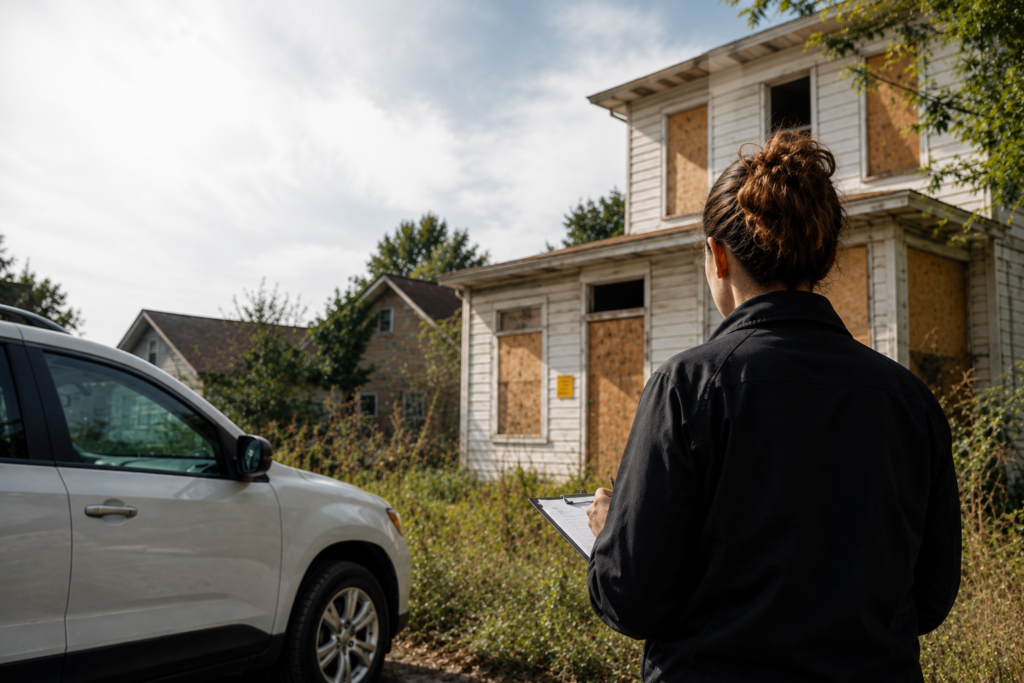
- Abandoned or vacant properties with open windows, unsecured doors, or accumulated snow that invites further deterioration and crime.
Egress, Accessibility, and Safety Path Concerns
Blocked exits and unsafe walkways become life-threatening in winter emergencies.
Officers look for:
- Snow or ice accumulation blocking doors, windows, or fire escapes.
- Missing or damaged handrails and steps.
- Inadequate lighting on pathways.
- Cluttered porches or yards that impede emergency access.
Utility and Weatherization Gaps
Poor weatherization leads to excessive energy use, mildew from condensation, and frozen pipes.
Issues include:
- Broken or missing windows and doors that allow heat loss.
- Inadequate insulation visible through exterior damage.
- Plumbing vulnerable to freezing in unheated areas.
- Electrical systems strained by space heaters.
By systematically identifying these problems, officers create targeted outreach lists and prioritize high-risk properties. This proactive stance aligns with MACE’s emphasis on fair, consistent enforcement that improves quality of life.
Educating Residents: Turning Enforcement into Partnership
Education is the most effective tool for lasting compliance. When residents understand why codes exist and how to meet them, voluntary action rises and conflict drops. Winter provides a natural window for outreach because the stakes feel immediate.
Practical Education Strategies
Effective approaches include:
- Neighborhood workshops or virtual sessions on furnace safety, detector testing, and space heater use.
- Door hangers, social media posts, and utility bill inserts with simple checklists.
- Partnering with fire departments, utility companies, and nonprofits for free or low-cost detector installations and weatherization help.
- One-on-one guidance during inspections that focuses on solutions rather than immediate penalties.
- Multilingual materials that reach diverse Missouri communities.
Key messages officers can share:
- Test smoke and carbon monoxide detectors and replace batteries twice a year.
- Have heating systems professionally inspected and cleaned before peak season.
- Keep space heaters at least three feet from combustibles and never leave them unattended.
- Clear snow and ice from exits, sidewalks, and fire hydrants promptly.
- Seal drafts, insulate pipes, and know how to shut off water if a pipe freezes.
- Report suspicious vacant properties or serious hazards without fear of retaliation.
MACE promotes this educational approach because it builds trust and supports voluntary compliance. Our community outreach guidance and posts on serving communities through code enforcement reinforce that education and collaboration outperform pure citation-driven models.
Overcoming Common Barriers to Education
Some residents face financial constraints, language barriers, or distrust of government. Officers can address these by:
- Connecting owners with local assistance programs for repairs or detectors.
- Using clear, non-technical language and visual aids.
- Emphasizing shared goals—keeping families safe and neighborhoods stable.
- Following up positively when improvements are made.
Training through MACE helps officers develop these communication skills. Membership provides access to workshops, seminars, and peer networking that strengthen both technical knowledge and soft skills. Become a member to tap into these opportunities.
Helping Communities Prepare: Coordinated Action Before Winter
Individual property inspections matter, but community-level preparation multiplies impact. Code enforcement departments can lead or support broader readiness efforts.
Proactive Campaigns and Partnerships
Successful winter preparation often involves:
- Seasonal “Winter Ready” campaigns that combine inspections with education.
- Collaboration with emergency management, public works, and social services for vulnerable populations.
- Mapping high-risk areas using complaint data and prior violation history.
- Encouraging landlords and property managers to complete pre-winter checklists.
- Supporting snow-removal ordinances and clear sidewalk policies where adopted locally.
Measuring Success and Continuous Improvement
Track metrics such as:
- Number of detectors installed or verified.
- Voluntary compliance rates after education campaigns.
- Reduction in winter-related emergency calls linked to code issues.
- Resident feedback on outreach materials and interactions.
Sharing results at MACE events and through meeting minutes builds collective knowledge. The annual MACE Conference offers a venue to exchange strategies on seasonal enforcement and community education. Check upcoming events on the homepage.
The Role of Professional Development and MACE Support
Code enforcement officers cannot prepare communities alone. Ongoing training keeps skills sharp as codes evolve and new risks emerge.
MACE advances the practice through:
- Regional training workshops, seminars, and conferences focused on legal matters, technical codes, and practical enforcement.
- A clearinghouse of information that supports consistent administration of environmental, housing, land use, and building codes.
- Networking that connects officers facing similar winter challenges across Missouri’s diverse urban and rural landscapes.
- Resources including bylaws and links to partner organizations such as fire marshal associations and building official groups.
Officers interested in career growth can also review current openings on the jobs board. Joining MACE strengthens both individual capability and the profession statewide. Membership options include professional, supporting agency, retired, student, and honorary categories detailed on our about page.
Real-World Benefits of Winter-Focused Code Enforcement
When departments identify problems early and educate residents effectively, communities see tangible results:
- Fewer carbon monoxide incidents and fire deaths.
- Reduced emergency service demands during storms.
- Stabilized or improved property values.
- Stronger relationships between officers and residents built on helpful guidance.
- Greater overall resilience when extreme weather arrives.
These outcomes reflect the broader importance of code enforcement in building safer, stronger communities—a theme central to MACE’s work.
Challenges and How to Address Them
Winter preparation is not without obstacles. Limited staffing, tight budgets, and resistance from some property owners can slow progress. Rural departments may cover large areas with few officers, while urban teams face high complaint volumes.
Strategies that help:
- Prioritize based on risk rather than trying to inspect everything at once.
- Leverage partnerships and volunteers for education campaigns.
- Use technology such as mobile apps or mapping tools where available.
- Document educational efforts thoroughly to demonstrate value to leadership.
- Draw on MACE peer support and training to refine approaches.
MACE exists precisely to help officers navigate these complexities through professional development and shared resources.
Taking Action This Season
Winter will arrive whether communities are ready or not. Code enforcement officers have a unique opportunity—and responsibility—to identify problems, educate residents, and help neighborhoods prepare.
Practical next steps for officers and departments:
- Review local property maintenance and building codes for winter-relevant provisions.
- Schedule targeted inspections of heating systems, detectors, and high-risk properties.
- Develop or update resident education materials focused on cold-weather safety.
- Partner with local agencies for outreach events before peak season.
- Encourage team members to join MACE for training and networking support.
Residents can contribute by testing detectors, maintaining heating equipment, clearing exits, and reporting serious hazards. Together, these actions create safer homes and stronger communities.
At MACE, we remain committed to equipping Missouri’s code enforcement professionals with the knowledge and connections needed to serve effectively year-round—including the critical months before winter. Explore our resources, review about us for mission details, and consider registering as a member to join a network dedicated to professionalism, voluntary compliance, and community enhancement.
By identifying problems early, educating residents clearly, and coordinating preparation efforts, code enforcement turns potential winter crises into opportunities for safer, more resilient Missouri communities. Start today—lives and neighborhoods depend on it.