
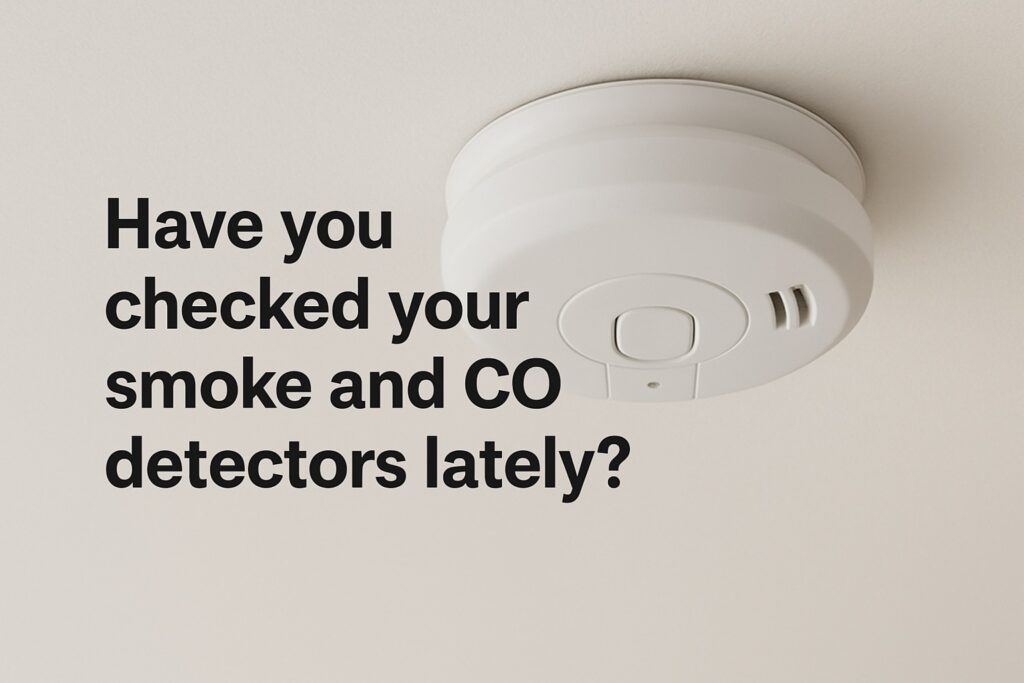

UL 217 is a critical safety standard developed by Underwriters Laboratories (UL), a global safety certification organization. Titled “Standard for Smoke Alarms,” UL 217 outlines rigorous performance, testing and safety requirements for smoke detectors to ensure they effectively detect fires and protect lives.
Below is a detailed explanation of why UL 217 is an important standard for smoke detectors:
- Ensures Reliable Fire Detection
UL 217 establishes performance criteria to ensure smoke detectors can reliably detect smoke from various types of fires, including:
- Flaming fires (ignited by paper or wood), which produce smaller smoke particles
- Smoldering fires (from electrical faults or upholstery) which produce larger smoke particles
The standard tests detectors under controlled conditions to confirm they respond quickly and consistently to smoke, reducing the risk of false negatives (failing to detect a fire).
- Reduces False Alarms
False alarms (nuisance alarms) from cooking, steam or dust can lead users to disable smoke detectors, rendering them useless. UL 217 includes tests to ensure detectors are sensitive enough to detect real threats but resistant to common non-fire triggers. For example:
- It evaluates detectors’ ability to distinguish between smoke and other airborne particles.
- Recent updates to UL 217 introduced tests for polyurethane foam fires and cooking-related nuisance sources (like burning toast) to balance sensitivity and reliability
This helps ensure detectors remain active and functional without unnecessary interruptions.
- Enhances Life- Saving Potential
By setting minimum performance standards, UL 217 ensures smoke detectors provide early warnings, giving occupants critical time to escape. The National Fire Protection Association (NFPA) notes that working smoke alarms cut the risk of fire-related death by about 50%. Compliance with UL 217 is a key factor in achieving this life-saving potential, as it guarantees detectors meet stringent safety benchmarks.
- Addresses Diverse Fire Scenarios
UL 217 tests smoke detectors against a range of fire types and conditions, including:
- Fast-flaming and smoldering fires: Ensures both ionization and photoelectric detectors (or dual-sensor models) perform effectively.
- Low-smoke fires: Verifies detectors can respond to fires with minimal visible smoke
- Environmental Factors: Tests performance under varying temperatures, humidity, and air velocities to ensure reliability in real-world settings.
This comprehensive testing makes UL 217- compliant detectors versatile and effective across different fire risks.
- Incorporates Modern Safety Requirements
The UL 217 standard evolves to address emerging fire risks and technological advancements. The 8th edition (effective May 2020, with full compliance required by June 2024 for manufacturers) introduced significant updates including:
- Improved nuisance alarm resistance: Detectors must resist false alarms from cooking while still detecting smoke from actual fires.
- Polyurethane foam fire tests: Reflects the growing prevalence of synthetic materials in homes, which burn faster and produce toxic smoke.
- Multi-criteria detection: Encourages advanced detectors that use multiple sensors (smoke, heat, CO) for more accurate fire detection.
These updates ensure UL 217 remains relevant to modern fire hazards, such as those posed by synthetic furniture and open-plan home designs.
- Meets Legal and Regulatory Requirements
UL 217 is often required by:
- Building codes: Many jurisdictions, including those following the International Residential Code (IRC) or National Fire Alarm and Signaling Code (NFPA 72) mandate UL 217-listed smoke detectors in homes and buildings.
- Fire safety regulations: Fire marshals and inspectors typically require UL 217 certification for residential and commercial installations.
- Insurance providers: Some insurers offer discounts for homes with UL 217-compliant detectors or require them for coverage.
Non-compliance can result in failed inspections, fines or invalidated insurance claims.
- Supports Interoperability and Durability
UL 217 includes requirements for:
- Alarm audibility: Ensures alarms are loud enough (typically 85 decibels at 10 feet) to wake sleeping occupants.
- Durability: Tests detectors for resistance to vibration, corrosion, and electrical surges to ensure long-term reliability.
- Interconnectivity: For interconnected systems, UL 217 ensures one detector’s alarm triggers all units, enhancing safety in larger homes.
These features ensure detectors remain functional over their lifespan (typically 10 years) and work effectively in various home configurations.
- Addresses Vulnerable Populations
UL 217 considers the needs of diverse users such as:
- People with hearing impairments: The standard supports visual or tactile alarms (strobe lights or bed shakers) for accessibility.
- Children and the elderly: Loud, clear alarms and reliable detection help protect those who may have difficulty responding quickly to a fire.
Why not a non-UL-listed smoke detector?
Many non-UL-listed smoke detector manufacturers may use internal testing, or minimal functionality checks. However, these processes are typically less rigorous, less standardized and lack the independent oversight of UL 217. While some non-UL detectors may meet basic safety requirements, they often fall short of UL 217’s comprehensive testing for diverse fire types, nuisance alarm resistance, and long-term reliability.
What is Code Enforcement Seeing?
Many of the detectors that are bought through online retail providers, and even some local retailers do not conform to the UL 217 standard. Many of these lack vital information such as manufacture date therefore negating the ability to ensure the detector is not expired which decreases the functionality of a detector in the presence of a fire. Several brands of detectors have been found with typos such as “WARTNING” or “Monoxiede”.
Why are devices required to be replaced every 10 years?
Smoke detectors rely on sensitive components to detect smoke particles. These sensors degrade naturally over time due to environmental exposure, material aging and electronic wear. After 10 years, the risk of sensor failure or unreliable performance increases significantly which could compromise the detector’s ability to function. This also ensures users benefit from technological improvements such as sensor accuracy, nuisance alarm resistance and smart features.
What about other life safety detection?
UL 2034 establishes criteria for CO alarms. The UL 2034 standard includes a comprehensive set of tests to evaluate CO alarms across multiple dimensions. These tests are conducted under controlled laboratory conditions to simulate real-world scenarios and ensure consistent performance. The main testing categories are:
- Carbon Monoxide Sensitivity and Response Time
CO alarms must detect and respond to specific CO concentrations within defined timeframes to protect occupants from acute and chronic exposure. UL 2034 specifies sensitivity tests based on CO levels measured in parts per million (ppm) and exposure duration, reflecting the health risks outlined by organizations like the World Health Organization (WHO) and Consumer Product Safety Commission (CPSC). Key requirements include:
- Low-level CO Exposure:
- At 70 ppm, the alarm must not sound for at least 60-240 minutes. This prevents nuisance alarms from low, non-threatening CO levels while allowing monitoring of prolonged exposure.
- Moderate-Level CO Exposure:
- At 150 ppm, the alarm must sound within 10-50 minutes. This ensures timely warnings for levels that could cause symptoms like dizziness or nausea.
- High-Level CO Exposure:
- At 400 ppm, the alarm must sound within 4-15 minutes. This addresses life-threatening CO concentrations that can lead to unconsciousness or death.
Testing Process:
- Alarms are exposed to CO concentrations in a test chamber.
- Response times are measured to ensure alarms activate within the specified windows.
- Tests account for both rising CO levels and steady-state conditions.
- False Alarm Resistance (Nuisance Testing)
To prevent unnecessary alarms, UL 2034 tests CO alarms for resistance to non-CO triggers, ensuring they only activate for genuine CO threats. Tests include:
- Environmental Interference: exposure to high humidity (85% relative humidity), extreme temperatures (32-120 degrees fahrenheit) and airflow variations to verify the alarm does not trigger falsely.
- Chemical Interference: Exposure to common household substances like methane, ethanol, acetone or cleaning agents (at concentrations simulating cooking fumes or spray paints). The alarm must not activate unless CO is present at dangerous levels.
- Electrical Interference: Testing for resistance to electromagnetic interference or voltage surges that could cause false alarms or malfunctions.
Testing Process:
- Alarms are placed in chambers with controlled non-CO stimuli to confirm they remain silent or function correctly.
- Tests simulate real-world conditions, such as bathrooms (high humidity) or kitchens (cooking vapors).
- Alarm Audibility
UL 2034 requires CO to produce a loud, distinct audible signal to alert occupants, including those who may be asleep. Key requirements include:
- A minimum sound output of 85 decibels at 10 feet.
- A unique alarm pattern to distinguish CO alarms from smoke alarms
- For interconnected systems, all alarms must sound when one detects CO.
Testing Process:
- Sound levels are measured in an anechoic chamber to ensure compliance with audibility standards.
- Tests verify that the alarm remains audible under various conditions (background noise)
- Environmental and Durability Testing
CO alarms must function reliably in diverse residential environments. UL 2034 includes tests for:
- Temperature and Humidity
- Operation at low temperatures 32 degrees fahrenheit and high temperatures 120 degrees fahrenheit
- Exposure to high humidity 85% to simulate bathrooms or humid climates
- Vibration and Impact
- Resistance to physical shocks, such as being dropped during installation or struck accidentally
- Corrosion Resistance
- Exposure to corrosive atmospheres (salt spray) to ensure long-term reliability
- Electrical Stability
- Testing for performance during power surges, brownouts or electrical noise.
Testing Process:
- Alarms are subjected to accelerated aging and stress tests to simulate years of use.
- Functionality is verified after exposure to extreme conditions.
- Power Supply Testing
CO alarms may be battery-powered, hardwired or plug-in and UL 2034 ensures reliable power delivery.
- Battery powered alarms:
- Tests verify that batteries maintain power for the alarm’s rated lifespan.
- Low-Battery warnings (chirps or visual indicators) must activate before power is depleted.
- Hardwired Alarms:
- Tests confirm operation during power outages (via battery backups) and under varying voltage conditions
- End-of-Life Indication:
- Alarms must signal when they reach the end of their service life (typically 7-10 years, depending on the sensor)
Testing Process:
- Power systems are tested for longevity and reliability under normal and stressed conditions
- End-of-Life signals are verified to ensure users replace outdated units
- Sensor Longevity and End-of-Life Performance
CO sensors (typically electrochemical) degrade over time due to chemical reactions and environmental exposure. UL 2034 requires sensors to maintain accuracy throughout the stated lifespan (7-10 years, refer to manufacturer guidelines), alarms to provide clear end-of-life signals when the sensor is no longer reliable and is tested to ensure the alarm does not falsely indicate functionality after sensor failure. Ensure the detector is replaced at the end of lifespan even if end-of-life signals are not present.
- Combination Alarms (Smoke/CO)
For combination smoke and CO alarms, UL 2034 works in conjunction with UL 217 and ensures there are distinct alarms for CO and smoke (different beep patterns), there’s no interference between smoke and CO detection systems and meets compliance for both UL 217 and UL 2034 requirements.
- Labeling and User Instructions
UL 2034 requires clear labeling and user documentation to ensure proper installation and maintenance. Labels must indicate the alarm’s CO detection levels, lifespan and replacement date, instructions must cover installation locations, testing procedures and actions to take if the alarm sounds, provide warnings about CO risks and the importance of not disabling the alarm
What is the importance of UL 2034 Compliance?
Life saving reliability ensures CO alarms detect dangerous CO levels in time to prevent poisoning, which causes ∼430 deaths and 50,000 emergency room visits annually in the U.S. according to the CDC. Many building codes including NFPA 720 and the International Residential Code require UL 2034-listed CO alarms in homes, especially near sleeping areas and fuel burning appliances.
Conclusion
The UL standard is a cornerstone of detector safety, ensuring devices are reliable, effective and resistant to false alarms while meeting modern risks. Its rigorous testing and evolving requirements save lives by guaranteeing early detection, supporting legal compliance, and fostering consumer trust. Choosing a UL-listed detector is essential for maximizing safety in homes and buildings, as it aligns with best practices and regulatory standards.
Disclaimer:
The information contained in this blog post is provided by the Missouri Association of Code Enforcement for general informational and educational purposes only. It is not intended to constitute, and should not be relied upon as, official legal advice, a comprehensive or authoritative interpretation of applicable laws, codes, standards, or regulations, or a substitute for professional guidance tailored to specific circumstances.
Building codes, fire safety standards (including but not limited to UL 217, UL 2034, NFPA standards, and the International Residential Code), and related requirements can vary significantly by jurisdiction within the State of Missouri and are subject to periodic updates, amendments, or local adaptations. Readers are strongly advised to verify all information with the relevant local authorities, including their municipal or county code enforcement officials, building department, fire marshal, or other authorized agencies, and to consult qualified professionals for advice specific to their property, installation, or situation.
The Missouri Association of Code Enforcement makes no representations, warranties, or guarantees—express or implied—as to the accuracy, completeness, timeliness, or applicability of the information presented herein. The agency expressly disclaims any liability for errors, omissions, or any consequences arising from the use of or reliance upon this content.